Creating a home office that is both productive and comfortable can significantly enhance your work-from-home experience. Whether you have a dedicated room or a small corner in your living space, setting up an environment that supports focus and well-being is key. In this post, we’ll explore practical tips and ideas to help you design an efficient home office tailored to your needs.
Choose the Right Location
Finding the right spot for your home office is the first step. Ideally, pick a quiet area with minimal distractions. If possible, use a separate room with a door to create physical boundaries between work and personal life.
– Natural Light: Position your desk near a window to benefit from natural daylight, which can boost mood and increase alertness.
– Away from Noisy Areas: Avoid placing your workspace near noisy appliances, high-traffic zones, or entertainment areas.
– Privacy Matters: Make sure the location offers enough privacy for meetings or focused work.
Invest in Ergonomic Furniture
Comfort plays a major role in productivity. With long hours at your desk, ergonomic furniture can help prevent discomfort and reduce the risk of strain.
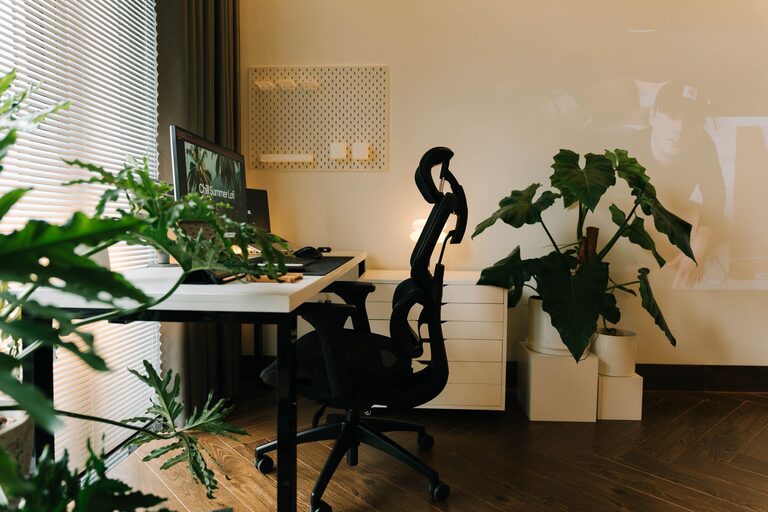
– Chair: Choose an adjustable office chair with good lumbar support.
– Desk Height: Your desk should allow your arms to rest comfortably at a 90-degree angle.
– Footrest: Consider a footrest to reduce pressure on your legs if your feet don’t flatly reach the floor.
– Standing Options: A sit-stand desk or converter lets you alternate between sitting and standing, which is great for health and comfort.
Optimize Lighting
Proper lighting is essential to reduce eye strain and maintain energy throughout the day.
– Ambient Lighting: Use ceiling lights or lamps that provide even illumination.
– Task Lighting: Add a desk lamp for focused lighting on your work area.
– Avoid Glare: Position screens and lights to minimize glare and reflections.
Organize with Purpose
A clutter-free space helps keep your mind clear and increases efficiency.
– Declutter Regularly: Remove unnecessary items and keep only what you need daily.
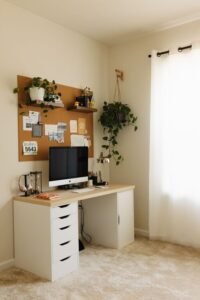
– Storage Solutions: Use shelves, filing cabinets, or drawer organizers to store supplies neatly.
– Cable Management: Use clips or sleeves to keep cords tidy and prevent tangles.
– Desk Layout: Arrange your most-used items within easy reach to avoid unnecessary movement.
Personalize Your Space
Adding personal touches can make your home office feel inviting and motivate you to work.
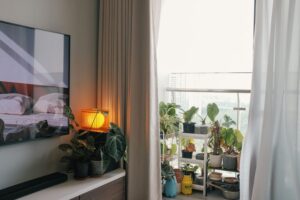
– Plants: Indoor plants improve air quality and add a touch of nature.
– Artwork or Photos: Display images that inspire or calm you.
– Color Scheme: Choose colors that promote focus and positivity, like soft blues or greens.
– Comfort Items: Keep a cozy throw or favorite mug nearby to enhance your comfort.
Use Technology Wisely
Technology is essential for remote work, but it’s important to use it effectively.
– High-Speed Internet: Ensure your internet connection is reliable for video calls and file sharing.
– Peripherals: Invest in a quality keyboard, mouse, and monitor for ease of use.
– Noise-Canceling Headphones: These can help block out distractions, especially in busy homes.
– Backup Power: Consider a UPS device to protect your computer from sudden outages.
Set Boundaries and Routines
Creating a productive environment goes beyond physical setup.
– Work Hours: Define clear start and end times to separate work from personal life.
– Breaks: Schedule regular breaks to rest your eyes and stretch your body.
– Work Signals: Use signs or signals to let family know when you should not be disturbed.
– Daily Planning: Begin each day by outlining tasks to stay organized and focused.
Maintain Cleanliness
A clean workspace contributes to mental clarity.
– Daily Tidy-Up: Spend a few minutes at the end of each day cleaning your desk.
– Air Quality: Keep windows open when possible or use an air purifier to keep fresh air flowing.
– Sanitization: Regularly sanitize your keyboard, mouse, and other touchpoints.
Final Thoughts
Designing a home office that balances productivity and comfort takes some planning, but the benefits are well worth the effort. By selecting the right location, investing in ergonomic furniture, optimizing lighting, staying organized, personalizing your space, and managing your time effectively, you can create a workspace that helps you thrive while working from home.
Remember, your home office should support your work style and well-being. Feel free to adjust your setup as needs change and enjoy the process of making your space your own!