Creating a comfortable and relaxing workspace at home is essential for maintaining productivity and well-being, especially as more people work remotely. A well-designed workspace can reduce stress, increase focus, and make your workday more enjoyable. If you’re looking to transform your home office into a peaceful and productive environment, here are some helpful tips to get started.
Choose the Right Location
Find a Quiet, Dedicated Space
Choose a spot in your home that is quiet and free from distractions. Ideally, it should be a dedicated area used only for work. This helps your brain associate the space with focus and productivity.
Consider Natural Light
Natural light is key to a comfortable workspace. Position your desk near a window if possible to benefit from sunlight. This can improve mood, reduce eye strain, and help regulate your sleep cycle.
Focus on Ergonomics
Invest in a Comfortable Chair
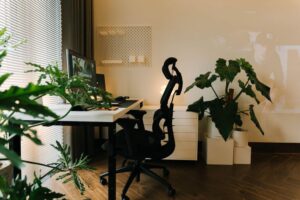
A supportive office chair will keep your back and neck comfortable throughout the day. Look for chairs with adjustable height, good lumbar support, and cushioned seating.
Set Up Your Desk Properly
Your desk should allow you to keep your arms at a 90-degree angle while typing, with your feet flat on the floor or on a footrest. Position your computer monitor at eye level to avoid neck strain.
Keep It Organized
Declutter Regularly
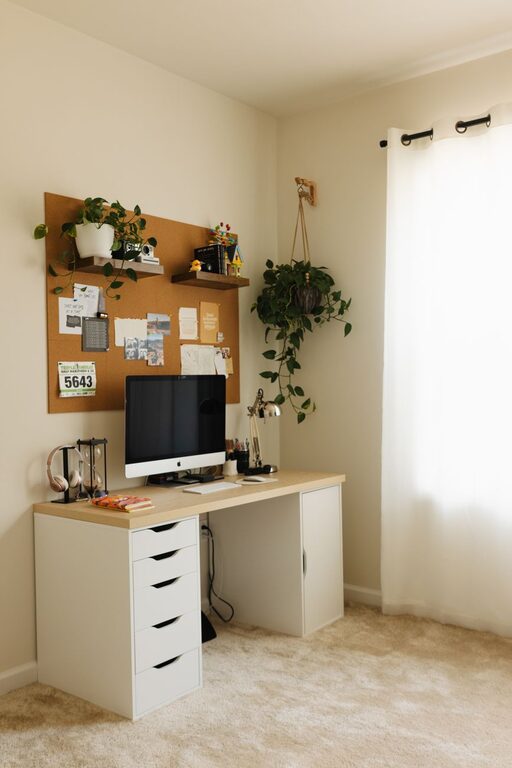
A clean and organized desk reduces stress and distractions. Keep only essential items on your desk and use organizers or drawers for supplies and documents.
Use Storage Solutions
Shelves, filing cabinets, or baskets can help keep your workspace tidy. Label storage containers to find things quickly and reduce time spent searching for materials.
Add Touches of Relaxation
Choose Calming Colors
Soft, neutral colors like light blues, greens, or grays create a soothing environment. Consider painting your workspace or adding colorful accessories that promote calmness.
Incorporate Plants
Houseplants improve air quality and add a natural element that can reduce stress. Easy-to-care-for plants like succulents or pothos are great options for your desk.
Personalize Thoughtfully
Add personal touches such as photos, artwork, or meaningful objects that inspire you without cluttering. Choose items that bring positivity and motivation.
Manage Lighting and Noise
Use Adjustable Lighting
In addition to natural light, have a desk lamp with adjustable brightness. This ensures proper lighting during early mornings or late evenings without straining your eyes.
Minimize Noise Distractions
Use noise-canceling headphones or white noise machines if your environment is noisy. Soft background music or nature sounds can also help improve concentration.
Take Breaks and Move
Schedule Regular Breaks
Take short breaks to stretch, walk, or relax your eyes. This helps prevent fatigue and keeps your mind refreshed throughout the day.
Create a Relaxing Corner
Set up a small area nearby with a comfortable chair or cushions where you can unwind during breaks. Use this space for deep breathing, meditation, or reading.
Use Technology Wisely
Organize Digital Files
Keep your computer desktop and folders tidy for easy access to important files. Use productivity apps to manage tasks, deadlines, and notes.
Limit Screen Time Outside Work
Avoid working in bed or on the couch with screens to maintain a clear boundary between work and relaxation spaces.
—
Creating a relaxing home workspace is about balancing comfort, organization, and inspiration. By following these tips, you can build an environment that not only supports your professional efforts but also enhances your overall well-being. Start small and adjust your space as needed—you’ll soon notice a positive difference in your productivity and comfort.